Introduction
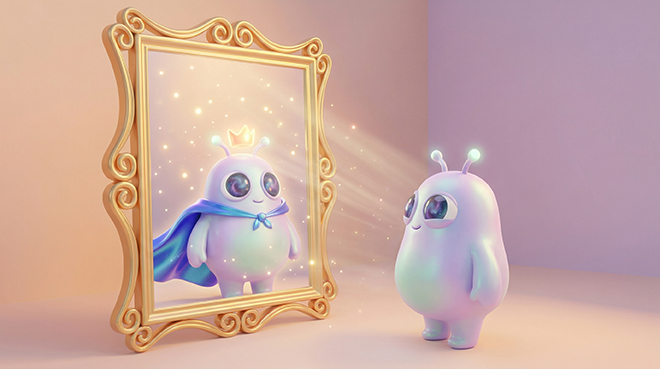
Representation matters. When we see someone who looks like us succeeding, we believe we can succeed too.
For young children, the line between reality and fantasy is thin. When they hear a story about "Jack" climbing a beanstalk, they think Jack is brave. But when they hear a story about [Your Child’s Name] climbing a beanstalk, they internalize that bravery.
The Mirror Neuron Effect
Psychologists call this narrative transport. When a child is the protagonist:
- Engagement skyrockets: They stop fidgeting and start listening.
- Empathy builds: They feel the emotions of the story more deeply because it’s happening to them.
- Confidence sticks: Solving a problem in a story acts as a “mental rehearsal” for real life.
More Than Just a Name
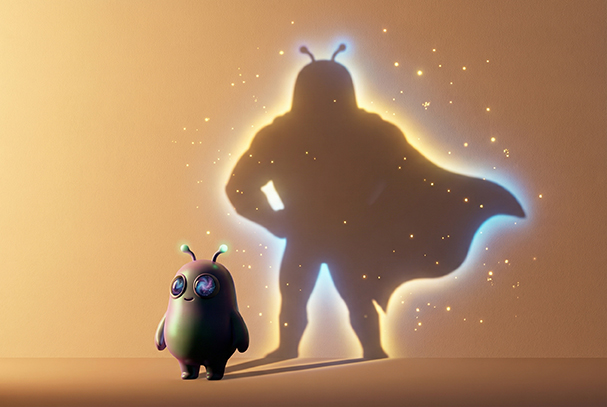
Visoria goes beyond just swapping the name. By customizing the avatar and the interests, we create a kind of digital mirror.
If your child is shy, you can create a story where they are the Brave Captain. If they are afraid of the dark, you might create a story where they befriend a Shadow Prince.
Each story gives them a safe space to practice courage, kindness, and problem-solving—while feeling completely seen.
Give them the armor they need to face the world, one bedtime story at a time.
Ready to give your child main character energy?
Create their hero story