Introduction
Children naturally live in a world of imagination.
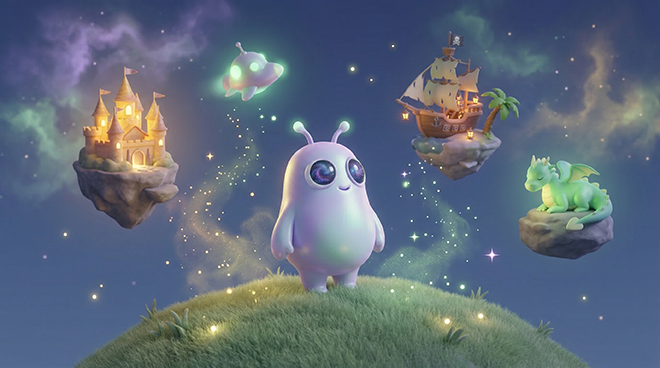
One moment they are explorers sailing across the ocean. The next moment they are astronauts landing on the moon. A cardboard box becomes a spaceship. A blanket becomes a superhero cape.
To adults, this may look like simple play. But in reality, imagination is one of the most powerful tools a child can develop.
It shapes creativity, problem-solving, and emotional intelligence—skills that will help them for the rest of their lives.
Why Imagination Matters
When children imagine stories, characters, and worlds, their brains are doing something remarkable.
They are practicing creative thinking. Instead of simply reacting to information, they learn to invent possibilities.
Research in child development shows that imaginative play helps children:
- develop stronger problem-solving skills
- improve emotional understanding
- build confidence in new situations
- practice storytelling and language
When a child imagines themselves as a hero, explorer, or inventor, they are rehearsing courage and creativity in a safe environment.
Stories Are the Gateway to Imagination
One of the easiest ways to nurture imagination is through storytelling.
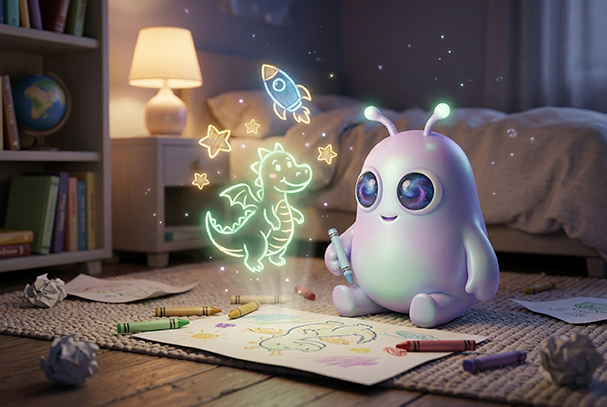
Stories invite children to picture worlds they cannot see. They imagine the characters, the places, and the adventure.
This mental visualization strengthens creativity and helps children develop a richer inner world.
When stories become personalized, the effect becomes even stronger.
Instead of imagining a distant hero, the child imagines themselves as the hero of the adventure.
That shift transforms storytelling from passive listening into active imagination.
Small Moments, Big Impact
You don’t need complicated activities to build imagination.
Sometimes all it takes is a simple question before bedtime:
“What kind of adventure should we go on tonight?”
Maybe it’s a journey to space.
Maybe it’s a magical forest.
Maybe it’s a castle guarded by a friendly dragon.
When children are invited to imagine, they begin building stories in their own minds.
And those stories often stay with them long after the lights go out.
Because imagination doesn’t just entertain children.
It helps them understand the world—and their place in it.
Want to spark tonight’s adventure?
Create an imaginative Visoria story